 Image 1 of 1
You already have a strong feel for how Spinal Flow works in the human body.
This workshop introduces what changes, and what matters more, when you apply those principles to animals.
It will give you enough to start seeing animals differently… and enough to realize what it actually takes to do this well.
Taught by Dr. Angela Martin-King Animal Chiropractor with 16+ years in practice, 250+ animals treated with Spinal Flow, and 26+ years in equine rehabilitation.
Why does working on animals feel inconsistent or unclear?
Where should I actually place my hands… and how much pressure is too much?
Why do some animals respond instantly, while others avoid, disengage, or shut down?
Am I reading flow and release… or just movement?
Why does this feel intuitive one moment and frustrating or confusing the next?
These are the questions we’ll answer.
1. The Animal Nervous System
Why animals respond differently than humans
Primitive survival responses and heightened sensitivity
How animals mirror and amplify nervous system states
2. Access & Contact in the Animal Body
How to feel into and flow with access points (not just memorize them—no placing your hand and holding it there)
Key access areas: occiput, sphenoid, sacrum
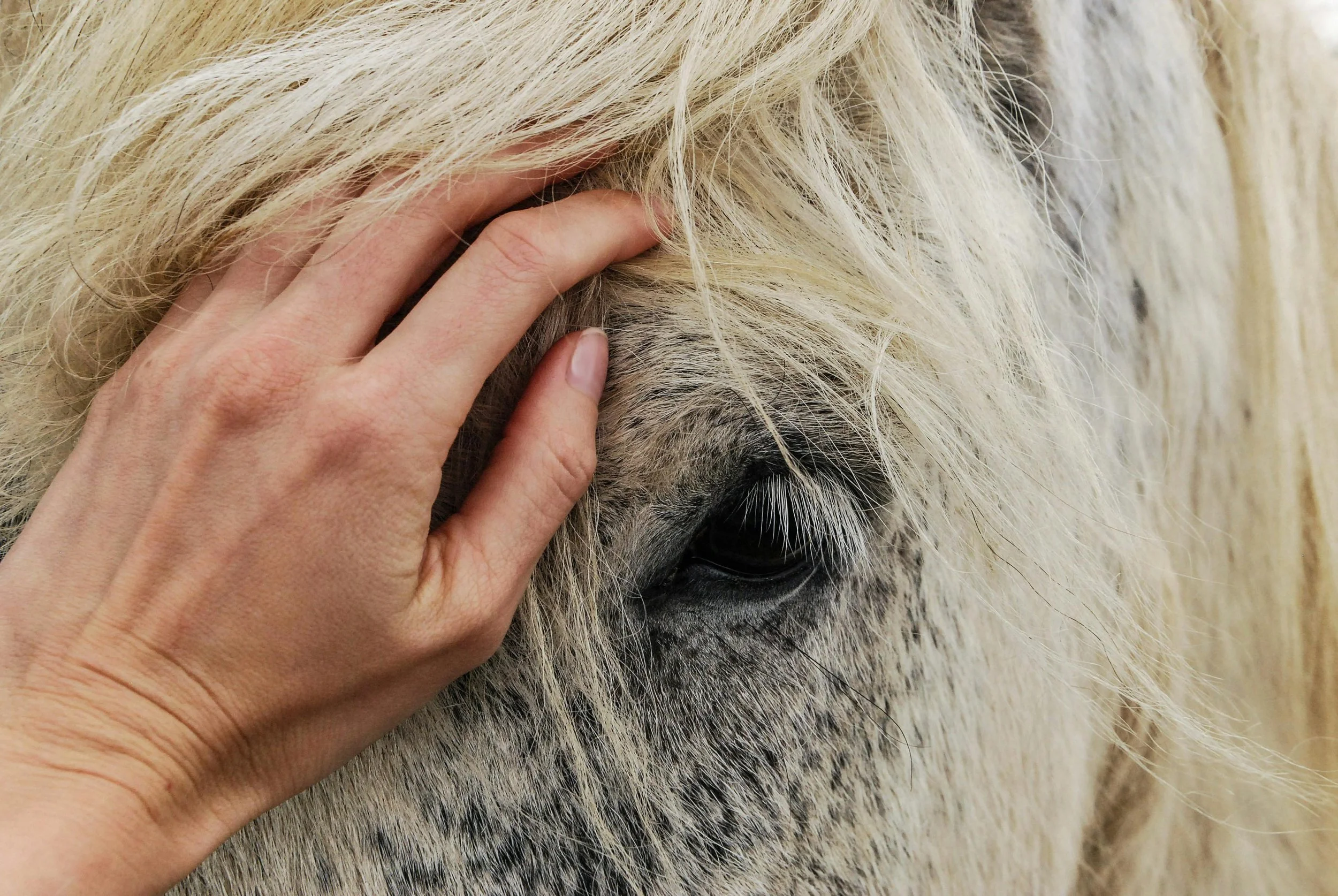
Hand & touch principles: more reception, less “assessment hands” angles, heights, and working positions matter
Species differences: Horses: distance, flight response, working alongside Dogs: proximity, faster relational shifts
Why animals have multiple access points (different from humans) and why each animal responds differently
Common responses to expect—and when to be concerned
(You’ll also hear about flow-enhancing movements… and why they require more advanced training.)
3. Reading the Response
How to tell the difference between movement vs nervous system shift
What regulation actually looks like in animals
Why “nothing happening” is often a misread
Animals aren’t humans. Their mental, emotional, and nervous system states directly affect your results. Working with them requires a different level of awareness, precision, and approach.
Format 90-minute live workshop
Practitioner-level, no fluff
Designed for Spinal Flow practitioners ready to expand into animal work
This workshop will give you enough to start seeing animals differently… and enough to realize what it actually takes to do this well.
Details Date: Monday, September 21st Time: 6:00 PM – 7:30 PM EST
Investment (Sliding Scale):
$37 USD — Live workshop
$47 USD — Live workshop + workbook
* $57 USD — Live workshop + workbook + recording access
Designed for Spinal Flow practitioners ready to expand into animal work
If this work has been calling you, this is your entry portal. You can keep guessing with animals… or you can actually learn from an expert.
You already have a strong feel for how Spinal Flow works in the human body.
This workshop introduces what changes, and what matters more, when you apply those principles to animals.
It will give you enough to start seeing animals differently… and enough to realize what it actually takes to do this well.
Taught by Dr. Angela Martin-King Animal Chiropractor with 16+ years in practice, 250+ animals treated with Spinal Flow, and 26+ years in equine rehabilitation.
Why does working on animals feel inconsistent or unclear?
Where should I actually place my hands… and how much pressure is too much?
Why do some animals respond instantly, while others avoid, disengage, or shut down?
Am I reading flow and release… or just movement?
Why does this feel intuitive one moment and frustrating or confusing the next?
These are the questions we’ll answer.
1. The Animal Nervous System
Why animals respond differently than humans
Primitive survival responses and heightened sensitivity
How animals mirror and amplify nervous system states
2. Access & Contact in the Animal Body
How to feel into and flow with access points (not just memorize them—no placing your hand and holding it there)
Key access areas: occiput, sphenoid, sacrum
Hand & touch principles: more reception, less “assessment hands” angles, heights, and working positions matter
Species differences: Horses: distance, flight response, working alongside Dogs: proximity, faster relational shifts
Why animals have multiple access points (different from humans) and why each animal responds differently
Common responses to expect—and when to be concerned
(You’ll also hear about flow-enhancing movements… and why they require more advanced training.)
3. Reading the Response
How to tell the difference between movement vs nervous system shift
What regulation actually looks like in animals
Why “nothing happening” is often a misread
Animals aren’t humans. Their mental, emotional, and nervous system states directly affect your results. Working with them requires a different level of awareness, precision, and approach.
Format 90-minute live workshop
Practitioner-level, no fluff
Designed for Spinal Flow practitioners ready to expand into animal work
This workshop will give you enough to start seeing animals differently… and enough to realize what it actually takes to do this well.
Details Date: Monday, September 21st Time: 6:00 PM – 7:30 PM EST
Investment (Sliding Scale):
$37 USD — Live workshop
$47 USD — Live workshop + workbook
* $57 USD — Live workshop + workbook + recording access
Designed for Spinal Flow practitioners ready to expand into animal work
If this work has been calling you, this is your entry portal. You can keep guessing with animals… or you can actually learn from an expert.